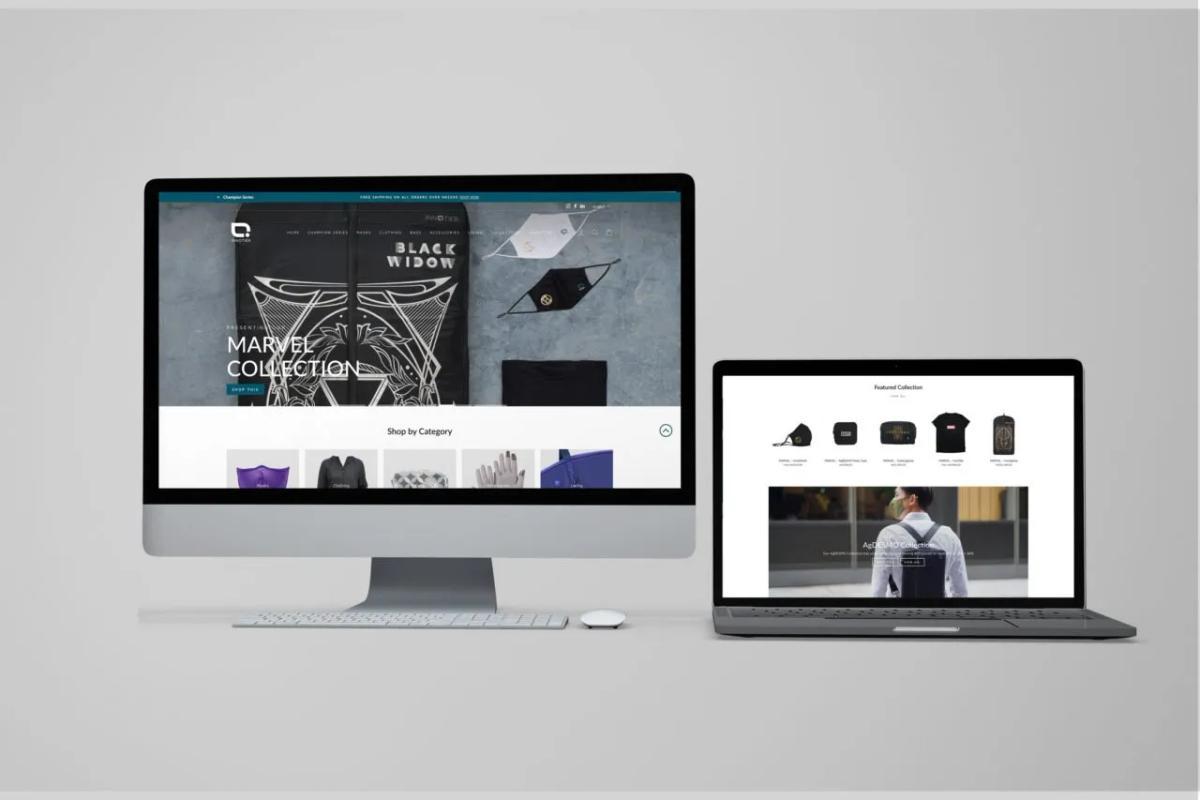
Article overview
Is Shopify Plus worth it? A Hong Kong merchant’s upgrade guideShopify Plus can help a growing Hong Kong brand when checkout requirements, wholesale pricing, regional stores or integration volume become difficult to manage. The decision should begin with the customer journeys and operating costs that will change, rather than a sales target alone. Plus offers more checkout customization, deeper B2B catalog control and eligible expansion stores, but implementation, app and payment costs still need a business case.Checkout Extensibility: design the conversion journeyPlus supports Checkout UI app extensions on the information, shipping and payment pages. These sandboxed extensions can add eligible interface elements without editing the retired checkout.liquid template. Shopify Functions can complement checkout behavior, but their availability depends on the Function API and whether the app is public or custom; Functions as a whole are not exclusive to Plus.Native B2B: wholesale and retail in one operating modelShopify B2B is available on Basic, Grow, Advanced and Plus. Company accounts, locations, payment terms and quantity pricing are not Plus-only. Plus becomes more useful when wholesale needs unlimited B2B market catalogs, direct company or location catalog assignment, deposits, partial payments or payment requests per fulfillment. These differences should be measured against the buyer and pricing model, not treated as automatic reasons to upgrade.Is Shopify Plus worth it? A Hong Kong merchant’s upgrade guide
Shopify Plus can help a growing Hong Kong brand when checkout requirements, wholesale pricing, regional stores or integration volume become difficult to manage. The decision should begin with the customer journeys and operating costs that will change, rather than a sales target alone. Plus offers more checkout customization, deeper B2B catalog control and eligible expansion stores, but implementation, app and payment costs still need a business case.
Shopify lists Plus from US$2,300 per month on a three-year USD term or US$2,500 per month on a one-year USD term for standard setups. Complex or high-volume businesses may receive a variable platform fee under a negotiated agreement; Shopify does not publish a universal GMV trigger or percentage. Its Hong Kong Plus pricing page lists a 0.20% additional Shopify transaction fee when a third-party processor is the primary gateway, on top of that processor’s fees. Request a written quote and model the actual gateway mix, apps, implementation and store costs.
Screenshots show earlier interfaces; check current Shopify documentation for features, pricing and availability.

Cost vs. Return: Evaluate licensing fees against actual transaction-fee savings, app costs and implementation work.

When does a Hong Kong brand actually need Plus?
Start with the bottleneck: a checkout journey that needs an eligible in-checkout app extension; many direct company or location catalogs; deposit or partial-payment workflows; a qualifying regional store; or measured API capacity needs. Core B2B company records, net terms, Shopify Flow and many Functions apps are available on lower plans, so list the precise Plus-only features the team will use.
Calculate a merchant-specific break-even rather than relying on a fixed HK$800,000 or US$80,000 monthly GMV rule. Compare the incremental Plus subscription with any additional transaction-fee savings, apps genuinely removed, and measured staff time or conversion gains. Use a conservative scenario, include the contract term and integration costs, and confirm commercial terms with Shopify.
Checkout Extensibility: design the conversion journey
Plus supports Checkout UI app extensions on the information, shipping and payment pages. These sandboxed extensions can add eligible interface elements without editing the retired checkout.liquid template. Shopify Functions can complement checkout behavior, but their availability depends on the Function API and whether the app is public or custom; Functions as a whole are not exclusive to Plus.
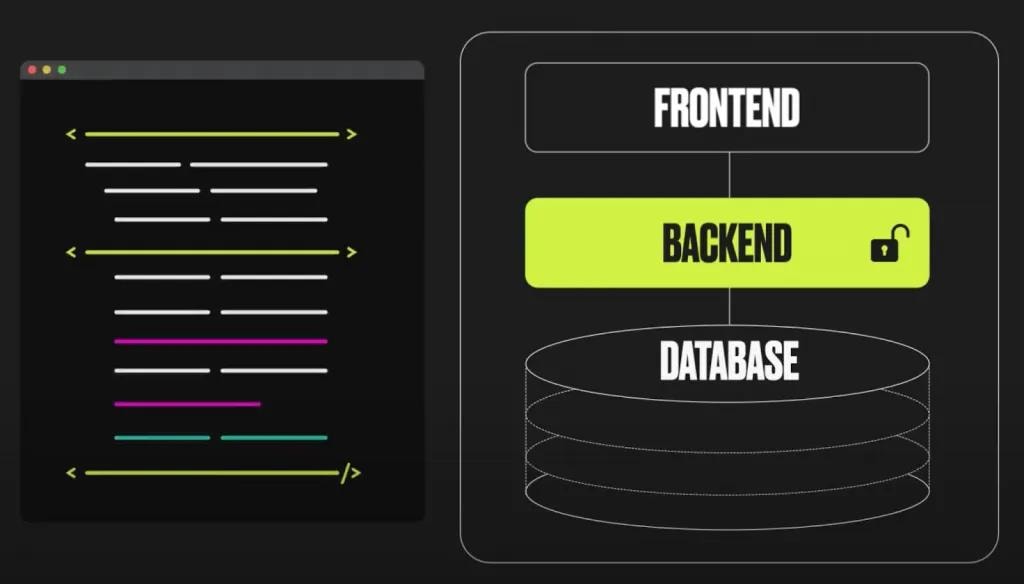
Modern Checkout Architecture: Checkout UI Extensions and eligible Shopify Functions provide supported customization paths; this is a conceptual systems diagram.
A Hong Kong project might assess a pickup-point selector, local phone-number validation, delivery choices or an eligible offer within checkout. Each idea needs a supported extension target, compatible payment and delivery setup, a mobile design and an exception path. Payment-method changes, accelerated checkouts and third-party providers have their own rules, so prototype and test the exact buying journey before promising a feature.
From checkout idea to working experience
A local-delivery project might show the right instructions and shipping choice for a customer in Hong Kong, while an approved wholesale buyer sees account-specific payment information. Prototype both cases, including accessibility and mobile behavior, then test real orders, refunds and exception paths. Any payment-method or delivery customization should be checked against the applicable app and Shopify checkout rules.
Separate visual branding from functional behavior. Standard branding controls can make the checkout feel consistent with the storefront; advanced Plus extensions and suitable Functions may change eligible information, shipping and payment experiences. Before commissioning development, verify the exact extension target, plan access, method compatibility and fallback. Retired checkout.liquid code and its screenshots are historical examples, not a current implementation recipe.
Native B2B: wholesale and retail in one operating model
Shopify B2B is available on Basic, Grow, Advanced and Plus. Company accounts, locations, payment terms and quantity pricing are not Plus-only. Plus becomes more useful when wholesale needs unlimited B2B market catalogs, direct company or location catalog assignment, deposits, partial payments or payment requests per fulfillment. These differences should be measured against the buyer and pricing model, not treated as automatic reasons to upgrade.
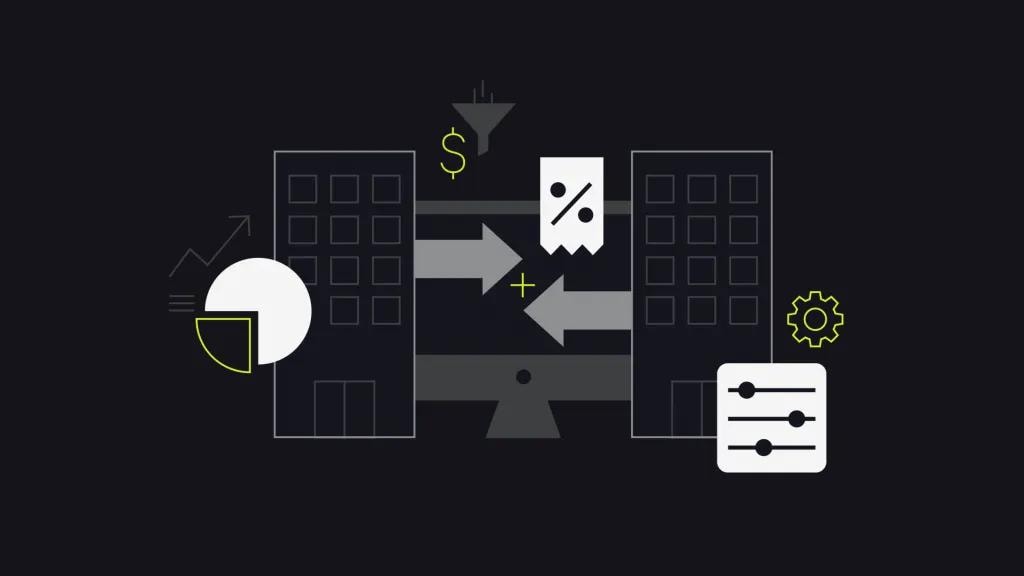
Automated B2B Flow: Company locations can receive negotiated catalogs, quantity pricing and payment terms within an approved buying journey.
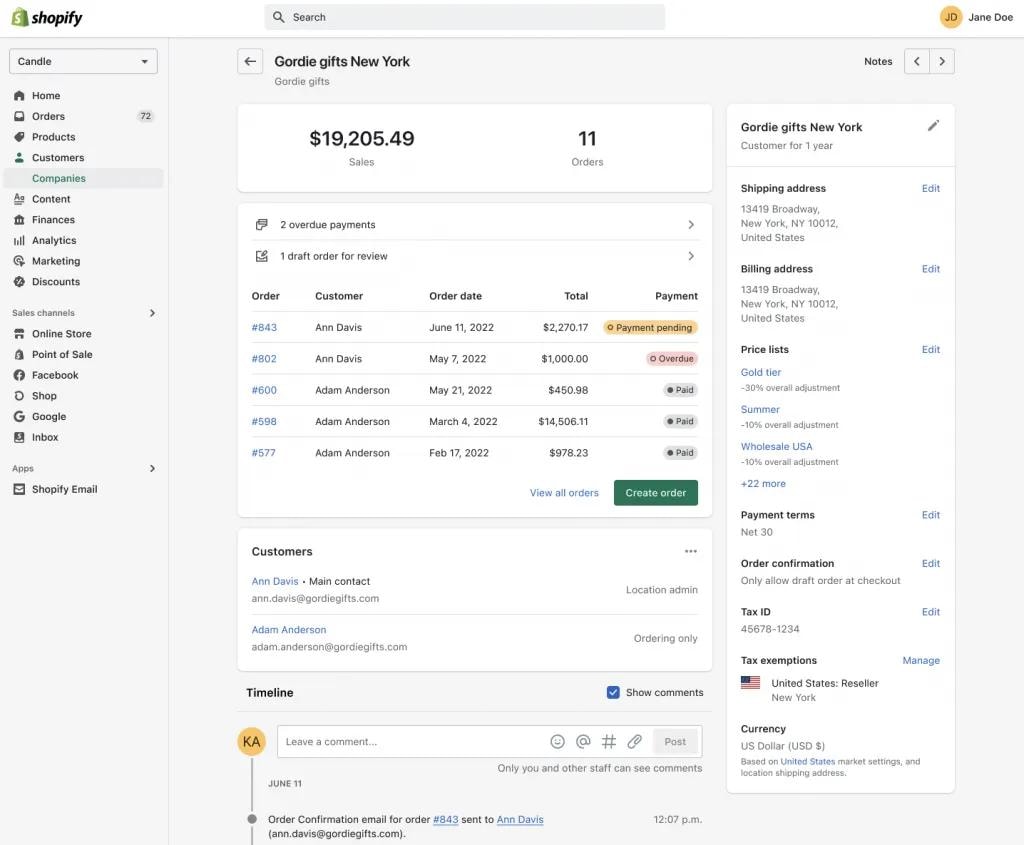
B2B Account Management: Organize corporate buyers, locations and purchasing roles under company records. Historical Shopify interface shown.
Map each distributor’s buyer roles, company locations, negotiated products, price breaks, order quantities, net terms and approval flow. A blended store can serve retail and B2B buyers through one operation; a dedicated wholesale store needs its own eligibility and synchronization plan. Test buyer login, private catalog visibility, purchase approval and fulfillment from end to end.
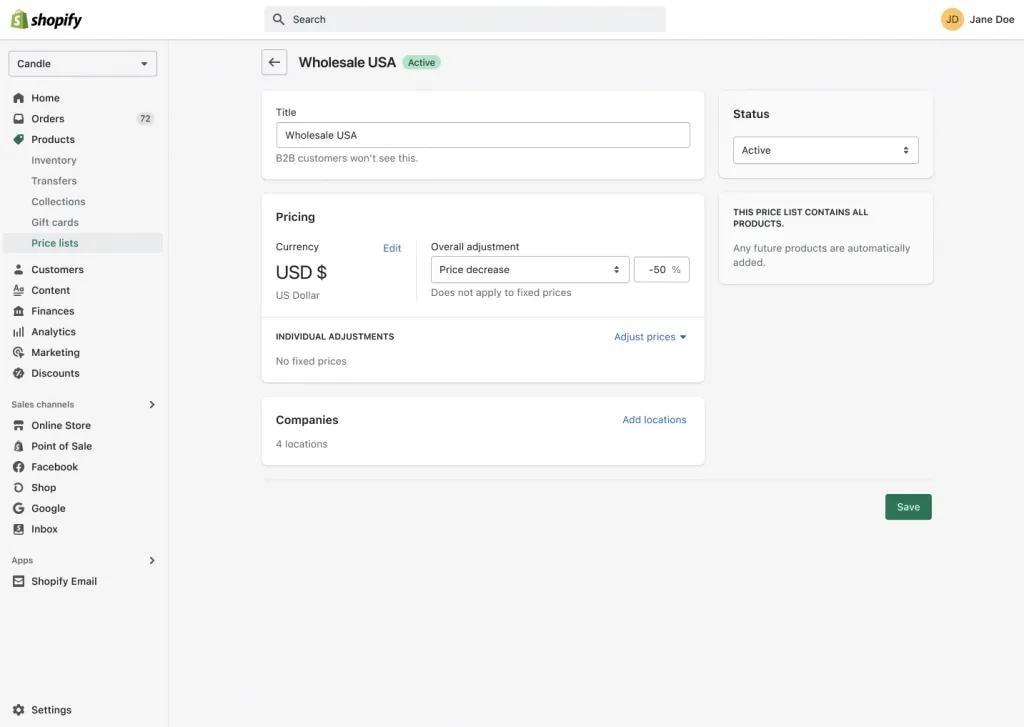
Custom Wholesale Pricing: Assign catalogs and quantity breaks to the eligible buyer groups; the screen shown is a historical Shopify interface.
Pilot a few real company accounts before scaling. On lower plans, B2B market catalogs require the new Shopify Markets and are limited to three active catalogs; Plus offers unlimited market catalogs and direct company or location assignments. Inventory remains a separate operational design even when orders share a Shopify admin.

Unified Inventory: A blended retail and B2B store can reduce duplicate records when stock and fulfillment rules are designed and tested together.
A practical wholesale account journey
Consider a distributor selling to hotel groups. A company may have separate purchasing locations in Hong Kong and overseas, each with its own buyers, approved products, prices, terms and delivery address. Plus allows catalogs to be assigned directly at company or location level. Test the journey from login and location selection to checkout, invoice and account history; confirm private prices remain hidden from retail visitors.
A first B2B rollout can start with a small group of strategic accounts. Record each location, catalog, price exception, minimum order, term and tax treatment. Core company records, buyer self-service and net terms also exist on lower plans, which are limited to three active B2B market catalogs and require new Shopify Markets for B2B catalog features. Use Plus when the direct assignment, catalog scale or advanced payment workflow is part of the actual operating model.
Global expansion: up to nine qualifying expansion stores
A standard Plus agreement can include one main store and up to nine qualifying expansion stores without an extra base store subscription fee. Standard expansion stores must extend the same brand, name, branding and types of goods or services, and use USD or INR as the billing currency. Selling currency may differ. Each store must meet Shopify’s eligibility rules; requests beyond the included allowance or certain existing-store transfers require review. Apps, themes, data synchronization and local operations still carry costs.
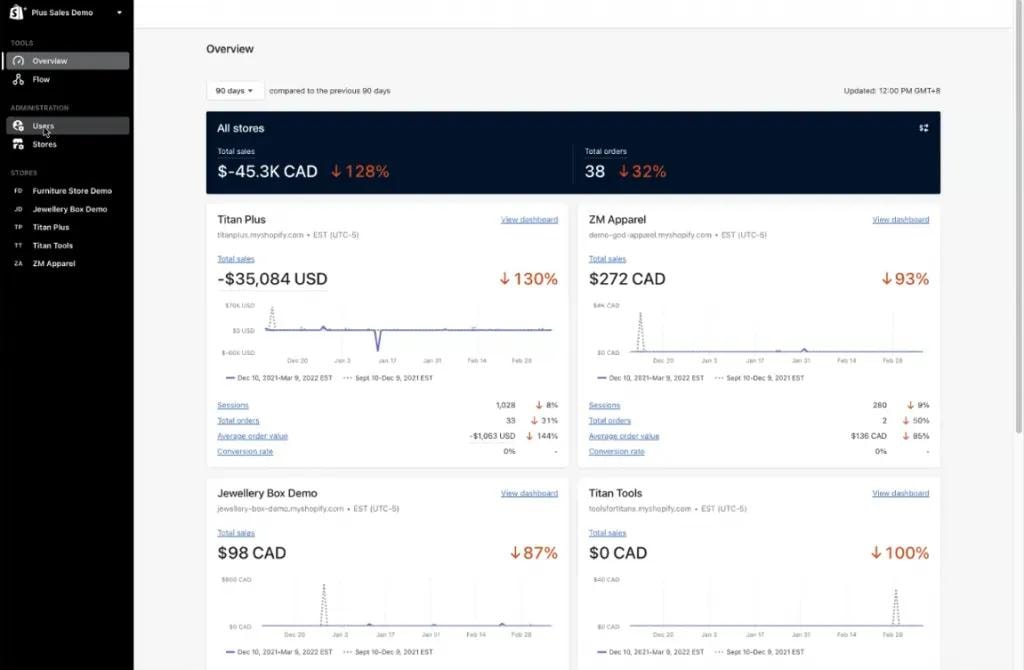
The cross-store dashboard pictured here is a historical interface. Organization-level controls can help manage staff and billing, but stores keep separate products, settings and inventory unless the merchant builds synchronization. A regional warehouse, local payment provider, legal entity and settlement currency each need independent eligibility and tax review. A dedicated free B2B expansion store also has separate product and buyer-login conditions.
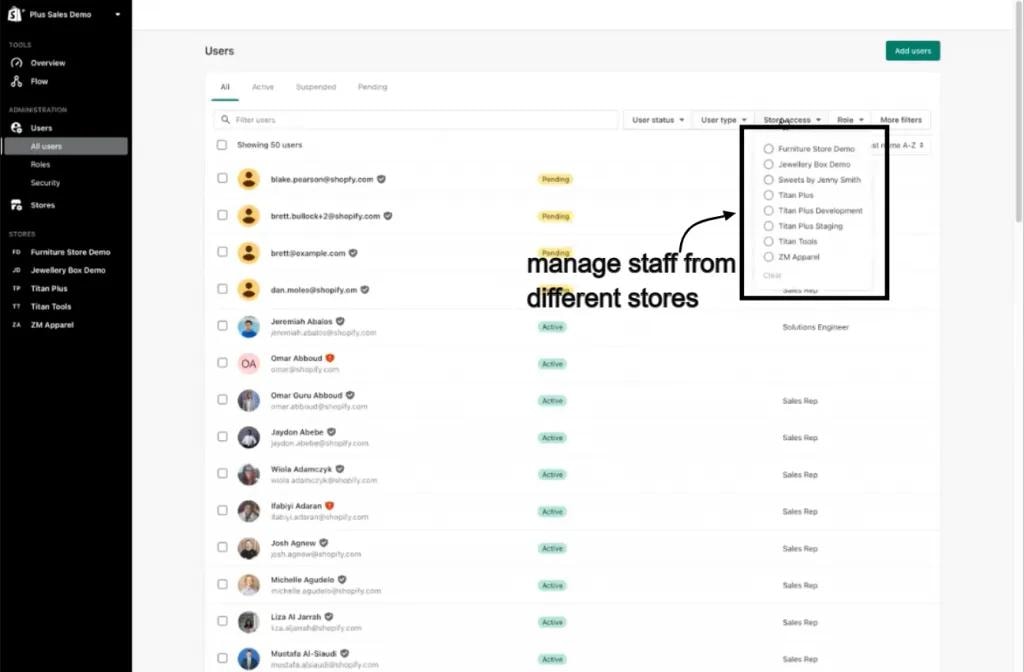
Granular Staff Permissions: Define regional merchandising, customer-service and financial access across store teams. Historical interface shown.
One brand, several market experiences
A Hong Kong brand entering Japan may use a distinct store for a regional team, local language and selling currency while keeping organization-level oversight, provided standard expansion-store rules are met. A wholesale storefront can serve a dedicated buyer journey if it meets the one-free-B2B-store criteria. Plan product feeds, stock synchronization, apps, theme licences, local policies and customer service for each store; organization membership does not synchronize products or inventory.
Separate country stores can help local teams run promotions and serve their customers, but standard-contract stores must keep the same brand and name, sell the same types of goods or services and use USD or INR for billing. Calculate each storefront’s theme licence, apps, settings, tax review, product feed, content updates and support. Organization-level visibility does not automatically synchronize stock, descriptions or customer records.
Enterprise APIs, automation and customer identity
Plus provides higher Admin API capacity for demanding integrations: Shopify documents 1,000 GraphQL cost points per second for Plus, compared with 100 on standard plans and 200 on Advanced. Its legacy REST Admin API allowance is 20 requests per second for Plus, compared with two on standard plans and four on Advanced. Limits still apply, so ERP, CRM and warehouse integrations need measured throughput, queues, retry behavior and monitoring. Shopify Flow is available on Basic, Grow, Advanced and Plus, with some actions varying by plan; design automations around real controls and exception handling.
For customer sign-in, Plus can connect a compliant external OpenID Connect identity provider to new customer accounts. Multipass is no longer available to newly created stores. Eligible existing Plus stores that were already using Multipass when support for new customer accounts launched can continue after a supported account upgrade; Multipass has not been universally sunset. Choose the identity design from the current account architecture, and use the Customer Account API where a headless site or app needs customer data with authorized access.

Implementation Alignment: A Plus rollout needs coordinated work across e-commerce, ERP, logistics and finance teams.
Plan integrations around measurable load and ownership
Before replacing an existing Multipass flow, confirm the store’s account configuration and the user journey it supports. For a new identity project, assess Plus custom identity-provider requirements and OIDC authorization-code support. For ERP, CRM and WMS data, define record ownership, rate-limit handling, idempotency, reconciliation and incident recovery before implementation.
Launch schedules, staff roles and support escalation need an operating plan. Plus Support offers chat, a direct phone line and email tickets, but any specialist launch assistance and response commitments should be confirmed in the agreement. Assign internal owners for releases, permissions, high-risk orders and rollback so the extra capacity has a practical benefit.
Hong Kong realities: payments, Audiences and logistics
Shopify Audiences currently requires an eligible Plus store based in the United States or Canada, using Shopify Payments and Shopify Network Intelligence. A Hong Kong-based store should build its acquisition and retention plan around channels it can actually use, including consented first-party CRM data and suitable conversion measurement. Plus does not override a payment provider’s entity, currency or payout requirements.
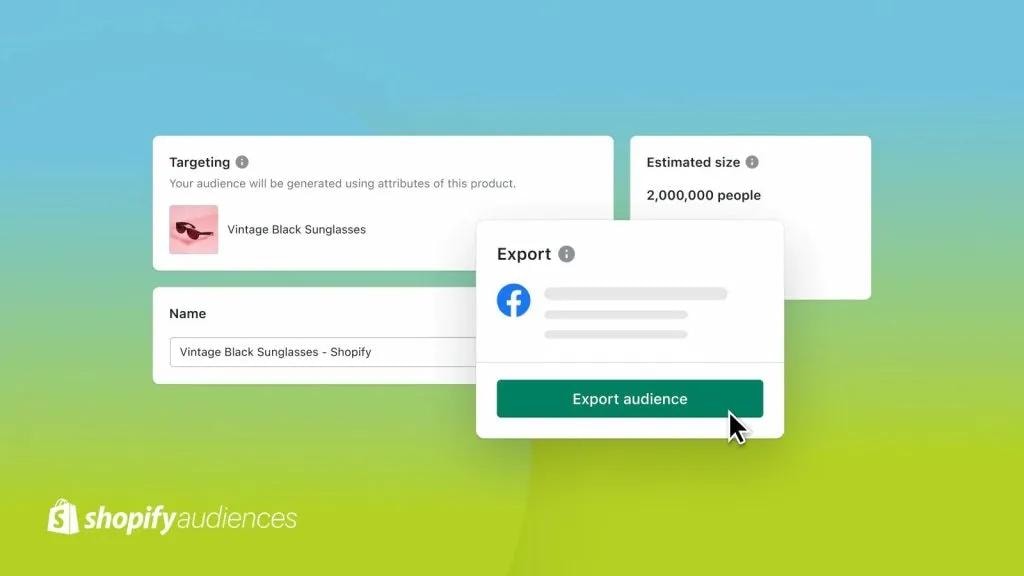
Data & Targeting Strategy: Shopify Audiences is limited to eligible US and Canadian stores; Hong Kong teams should plan consented first-party CRM and conversion measurement. Historical interface shown.
Shopify Payments is available to eligible Hong Kong merchants, while local methods such as PayMe, FPS or Octopus depend on the actual provider and store setup. Do not apply the third-party gateway fee to every local payment: manual payments have different treatment, and processing fees remain separate. For regional stores, test taxes, local gateways, 3PL inventory, returns and refunds against each market’s rules.

Regional Localization: Qualifying stores can support local content, tax, payments and fulfillment after each market’s eligibility and operating costs are checked.
Make every market launch operationally complete
For a Hong Kong brand expanding to Japan, launch planning includes lawful product sale, localized product and policy content, landed costs, delivery times, returns, support language and a tested order and refund. Plus expansion stores can organize separate regional operations, while Shopify Markets can serve simpler localization needs in one store. Choose the structure based on the operating model and validate each payment entity independently.
Plan how the team will manage customer segments and measure advertising with consent. Do not assume a Hong Kong Plus store can use Shopify Audiences. Its published eligibility currently requires a qualifying US or Canadian Plus store using Shopify Payments and Shopify Network Intelligence. Budget for a Hong Kong marketing process that works without that feature.
A Shopify Plus decision checklist and ROI model
Consider an upgrade when the team has a documented need for one or more Plus capabilities: in-checkout UI extensions, direct or large-scale B2B catalogs, advanced B2B payments, eligible expansion stores, custom identity-provider integration or measured API capacity. For each need, write the current failure, affected orders, implementation cost, owner and acceptance test. A fixed number of criteria or GMV alone cannot determine the right plan.

Financial Feasibility: Model the platform fee, payment mix, app savings and evidenced operational gains before signing a Plus agreement.
Build the financial case from incremental platform fees over the proposed term, Shopify’s additional transaction fees on the actual payment mix, processor charges, apps and implementation costs. Then estimate evidenced savings and conversion or staff-time gains, with a conservative case that assumes no unproven uplift. Ask Shopify to confirm the quote, store eligibility and support scope in writing before contracting.
Plan the rollout with Navy FAB
Bring monthly GMV, payment-method and processor mix, checkout requirements, B2B catalogs and terms, proposed regions, inventory architecture and measured API traffic. These inputs let the team test a break-even range and sequence the highest-value work.
Navy FAB is a Shopify Partner in Hong Kong. We can help scope checkout extensions, wholesale workflows, regional stores and ERP or CRM integrations, then plan a staged implementation. Share your requirements through the contact form below for an architecture and ROI discussion.
Sources and next step: review Shopify’s current Plus pricing and plan guide, then share your project brief with Navy FAB through the contact form below.
Sources
- Shopify Plus pricing and transaction feesChecked
- B2B features by planChecked
- Checkout customization by planChecked
- Shopify Functions plan accessChecked
- Expansion store requirementsChecked
- GraphQL Admin API rate limitsChecked
- REST Admin API rate limitsChecked
- Shopify Flow plan accessChecked
- Customer authentication and identity providersChecked
- Multipass availabilityChecked
- Shopify Audiences eligibilityChecked
- Shopify Payments in Hong KongChecked
- Manual payment methodsChecked
- Third-party transaction fee rulesChecked
- Payment gateway availabilityChecked
- Shopify Plus Support channelsChecked
Common Questions
How much does Shopify Plus cost?
Shopify lists standard Plus from US$2,300 per month on a three-year USD term or US$2,500 per month on a one-year USD term. Complex or high-volume businesses may receive a negotiated variable platform fee; Shopify does not publish a universal GMV trigger. Its Hong Kong Plus page lists a 0.20% additional transaction fee when a third-party processor is the primary gateway, plus processor fees. Include implementation, apps and store costs in a written quote. See Shopify’s current Plus plan pricing.
What happens to a prepaid annual plan when upgrading to Plus?
Shopify generally prorates unused time on standard plan upgrades and applies a billing credit. A move to a Plus contract can have different invoice and currency treatment, so ask Shopify to confirm the credit and terms in writing before signing; do not assume a cash refund. See Shopify’s upgrade billing guidance.
What if my business needs more than nine expansion stores?
A standard Plus agreement can include a main store and up to nine qualifying expansion stores for the same brand. Stores beyond the included number require Shopify review and an approved extra fee; ask for the actual amount in writing. Confirm brand, product, billing-currency and B2B-store rules before planning the rollout.
How should Shopify Plus be compared with Magento or Shopline Enterprise?
Compare the next three years of checkout, B2B, regional-store and integration requirements, along with hosting, maintenance, app, payment and implementation costs. Ask each vendor to demonstrate your own customer journeys and provide a written scope and support model. Magento Open Source and Adobe Commerce also have different licensing and operating models, so compare the exact product being proposed.
Which checkout capabilities require Shopify Plus?
Checkout UI app extensions on the information, shipping and payment pages require Plus. Branding, thank-you and order-status extensions have different plan access. Public Shopify Functions apps can serve other plans, while custom apps containing Functions require Plus; individual payment and delivery customizations have further eligibility rules. Validate the exact extension target and app before promising a pickup selector, validation or offer.
What does Plus add to native B2B?
Company records, locations, net payment terms and quantity pricing are available on lower plans too. Plus adds unlimited B2B market catalogs, direct catalog assignment to companies or locations, deposits, partial payments and per-fulfillment payment requests. A blended or dedicated store should be chosen from buyer needs and approved store eligibility.
Can Plus support a Hong Kong brand’s international expansion?
Qualifying expansion stores can give regional teams separate storefronts and settings under one organization. Standard stores must meet same-brand and billing-currency rules; requests beyond the included allowance or certain existing-store transfers require Shopify review. Products, inventory, tax, local payment eligibility and fulfillment do not synchronize or become compliant automatically; compare the arrangement with a single store using Shopify Markets.
What support does Shopify Plus provide?
Shopify documents Plus chat, a direct inbound phone line and email tickets. Confirm response expectations, onboarding help and any specialist launch resources in the actual agreement, and assign an internal escalation owner. Third-party apps normally retain their own support responsibility.
Does Plus remove Hong Kong payment and marketing restrictions?
No. Payment providers still apply entity, currency and settlement eligibility. Shopify Payments is available to eligible Hong Kong merchants, but individual local methods need verification. Shopify Audiences currently requires an eligible US or Canadian Plus store using Shopify Payments and Shopify Network Intelligence, so a Hong Kong-based store should plan other consented first-party and conversion-measurement channels.
How should a business calculate Shopify Plus ROI?
Compare the incremental Plus subscription and implementation costs with fee savings based on the actual gateway mix, apps genuinely removed, and measured operating gains. Model processor fees separately and treat conversion lift as a scenario until tested. Run the calculation across the proposed contract term rather than assuming a universal GMV break-even.
What should a Hong Kong team prepare before discussing an upgrade?
Gather monthly GMV, gateway and payment-method mix, wholesale catalogs and terms, checkout requirements, proposed store regions, inventory and fulfillment design, and measured API traffic. Include current app spend and the outcomes to test. These inputs support a realistic ROI range and a scoped implementation plan.