Article overview
Important: applications closedD-Biz was launched during COVID-19 to help enterprises continue business through IT adoption. It accepted applications from 18 May to 31 October 2020 and is no longer an available grant. A 2021 page date reflects a later update; the application window did not reopen.2020 funding and eligibilityUnder the 2020 scheme, approved eligible costs could be fully funded, subject to the Secretariat’s assessment of relevance and reasonableness. The cap was HK$100,000 per IT solution including related training, with training limited to 10% of the solution cost; the enterprise-wide ceiling was HK$300,000. Projects generally ran for up to six months, while the August 2020 enhancement extended eligible subscription-based IT support to twelve months. The 2020 rules described eligible private enterprises as holding a valid Hong Kong business registration, having started before 1 January 2020 and carrying on substantive business in the relevant sector; listed companies, statutory bodies and publicly funded non-governmental organisations were excluded. A subsidiary or Hong Kong branch could be considered as a separate applicant if it met the requirements, and certified social enterprises had a specific route. These are historical eligibility terms, not current guidance.What the twelve IT categories coveredThe 2020 guidance grouped projects into twelve IT-solution categories. The categories and examples below describe the 2020 scope; a listed feature, product or expenditure was not automatically approved. Funding depended on the applicable guide, business need, reasonableness and approval. Projects could start only after approval.
Important: applications closed
D-Biz was launched during COVID-19 to help enterprises continue business through IT adoption. It accepted applications from 18 May to 31 October 2020 and is no longer an available grant. A 2021 page date reflects a later update; the application window did not reopen.
2020 funding and eligibility
Under the 2020 scheme, approved eligible costs could be fully funded, subject to the Secretariat’s assessment of relevance and reasonableness. The cap was HK$100,000 per IT solution including related training, with training limited to 10% of the solution cost; the enterprise-wide ceiling was HK$300,000. Projects generally ran for up to six months, while the August 2020 enhancement extended eligible subscription-based IT support to twelve months. The 2020 rules described eligible private enterprises as holding a valid Hong Kong business registration, having started before 1 January 2020 and carrying on substantive business in the relevant sector; listed companies, statutory bodies and publicly funded non-governmental organisations were excluded. A subsidiary or Hong Kong branch could be considered as a separate applicant if it met the requirements, and certified social enterprises had a specific route. These are historical eligibility terms, not current guidance.
What the twelve IT categories covered
The 2020 guidance grouped projects into twelve IT-solution categories. The categories and examples below describe the 2020 scope; a listed feature, product or expenditure was not automatically approved. Funding depended on the applicable guide, business need, reasonableness and approval. Projects could start only after approval.
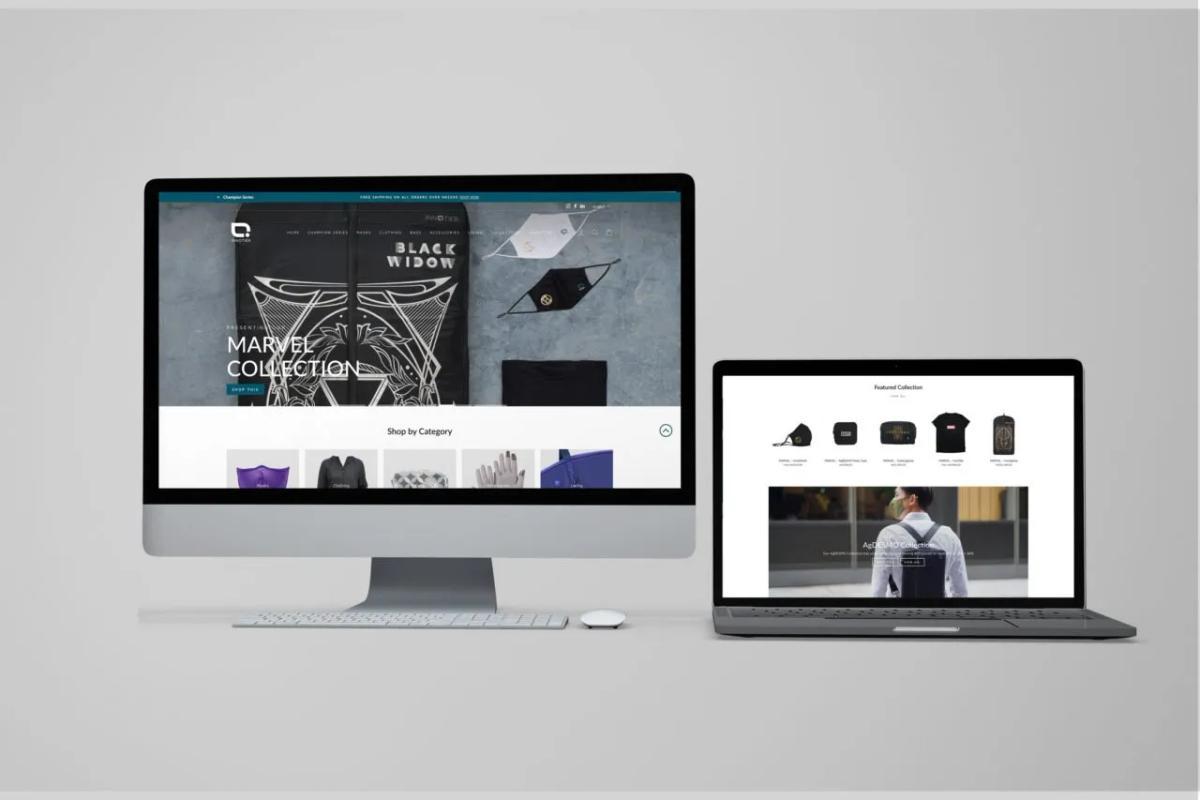
1. Online store — subscription or custom e-commerce platforms for promoting goods or services and taking orders online. The 2020 guidance also described promoting a qualifying portal set up under Categories 1–3, but digital advertising by itself was not a separate category. Producing promotional content or assets such as marketing images, copy and videos was excluded.
2. Online ordering and delivery / smart self-service — online ordering and delivery services, smart lockers, kiosks or vending systems that let customers place orders and receive them at a chosen location, or that integrate with an e-logistics platform. Food takeaway was one example. Promotion could relate to the qualifying portal under Categories 1–3; standalone digital advertising and the production of promotional images, copy or video were not funded categories.
3. Online customer service and engagement — systems such as online ticketing, appointment booking, customer relationship management, virtual service delivery and online consultation. The guidance also mentioned remote-learning facilities and promotion of a qualifying service platform under Categories 1–3; standalone digital advertising and the creation of marketing content or assets were excluded.
4. Digital customer-experience enhancement — technology used to improve customer service or product experience, with examples including chatbots, artificial intelligence, augmented, virtual or mixed reality, digital twins and analytics using purchase data. These were examples for assessment, not an automatic approval for every feature.
5. Digital payment / mobile retail management — a payment gateway or mobile point-of-sale system that supports multiple electronic payment channels for online or physical stores. One-time setup and necessary hardware or devices could be included; per-transaction processing or equivalent fees were expressly excluded.
6. Online / cloud finance management — systems for invoices and bill collection, accounting, budgeting, assets and liabilities, compliance and reporting. The guidance allowed cloud-based systems or remote employee access when appropriate cybersecurity protection was in place.
7. Online / cloud human-resources management — payroll and expense claims, attendance, leave, training, reports, employee self-service, talent management, e-learning and location or working-time records. Remote or cloud access was subject to suitable cybersecurity protection.
8. Remote document management, cloud storage and remote access — digitising paper records into electronic form and storing them in the cloud, plus secure employee access to company information and systems using tools such as remote desktop, VPN or virtual desktop infrastructure.
9. Online meeting tools — internet-based group collaboration with audio/video, content sharing, scheduling and registration, meeting records, online polls and question-and-answer sessions.
10. Virtual team management and communication — tools for instant messaging, voice/video calls, document sharing and co-authoring, assigning work, tracking progress and collaborating on product development.
11. Cybersecurity solutions — software, hardware or services intended to protect a company against cyberattacks, with examples such as data encryption, firewalls and antivirus or anti-malware tools.
12. Other online / cloud business-support systems — solutions that support the enterprise’s distance-business plan but do not fit another category. Examples in the guidance included enterprise resource planning, electronic forms and approval workflows, and robotic process automation.
The 2020 applicant FAQ said that a second online store or a layout-only refresh of an existing store was not enough by itself; a proposal needed to address a relevant business-continuity need or a distinct new function, and was still subject to individual assessment. Hardware was considered only when essential to the solution, directly related and reasonable. These examples explain the 2020 assessment and do not imply that a current programme uses the same criteria.
August 2020 enhancements and applicant FAQs
Government later allowed a second application for categories not already approved, raised the supported subscription period to twelve months, lifted a restriction on related entities and added certified social enterprises. Aggregate funding remained HK$300,000. The 2020 FAQs covered upfront cash, audit records, training, hardware, marketing, approval speed and service-provider selection. Approval times, payment descriptions, marketing exclusions and supplier-list claims from that period do not define current programme rules.
The 2020 funding guide set an initial payment of 30% of the approved amount after the enterprise signed its funding agreement. Projects normally had to start within one month of signing and finish within six months, except for qualifying subscription-based support later extended to twelve months. The final payment followed project completion and acceptance of the final report and supporting records. These payment terms applied to the closed 2020 programme and offer no current funding.
The historical final-report checklist called for a completion report with expenditure and deliverables, evidence such as delivery receipts or project photos, and matching invoices and payment receipts. If total approved funding exceeded HK$30,000, an independent auditor’s statement of income and expenditure was required; the audit fee counted toward project cost up to HK$3,000. Training had to relate to adopting the solution. Necessary hardware could be considered when directly related and reasonable, but ordinary computers, tablets and phones were excluded. Payment-processing fees and production of promotional content assets were also excluded.
The historical guide required an applicant to keep the funded assets and project records for inspection under its terms. Assessment was case by case, including the project’s relevance to the applicant’s existing business, budget and implementation reasonableness, and the supplier’s capability. A provider-reference-list entry was not a government endorsement. D-Biz ended in 2020; current schemes have their own requirements.
Supplier choice and present-day alternatives
A reference-list entry was not government endorsement of a supplier. Compare scope, delivery timetable, support, data ownership, security and total cost, and keep quotations and milestones in writing. Any Navy FAB success-rate or aggregate-award figures from 2020 were self-reported marketing claims, without independent verification. For new projects, check the official funding directory; D-Biz and TVP are closed to new applications, while any BUD eligibility depends on a current eligible target market and its separate rules.
Sources
- ITC/HKPC 2020 D-Biz service-provider guidance and categoriesChecked
- Government announcement: D-Biz August 2020 enhancementsChecked
- HKPC annual report: D-Biz closureChecked
- Technology Voucher Programme official closure noticeChecked
- SME Link official funding directoryChecked
- HKPC D-Biz applicant FAQ (2020 archive)Checked
Common Questions
1. 當年哪些企業可申請遙距營商計劃(D-Biz)?
D-Biz 是 2020 年的限時計劃,申請期已於 2020 年 10 月 31 日結束,現時不能提出新申請。當年的基本條件包括持有效香港商業登記、在 2020 年 1 月 1 日前開業,並在相關行業有實質業務;這些舊條件不可套用到其他現行資助。
2. 當年 D-Biz 的資助上限是多少?
當年每個資訊科技方案連相關培訓的資助上限為港幣 10 萬元,每間企業總額上限為港幣 30 萬元。這只是已結束的 D-Biz 計劃規則,不是現時可申請的資助額。
3. 當年申請企業是否需要先墊支項目費用?
當年的批款及付款安排須依獲批項目的資助協議與計劃指引處理,企業仍須安排所需現金流和保留支出證明。由於新申請已於 2020 年結束,不應按 2020 年的預付款比例安排現時項目。
4. 當年與資訊科技方案相關的培訓可否納入 D-Biz?
當年的計劃可涵蓋與獲批資訊科技方案相關的員工培訓,惟須符合當時指引及獲批範圍。D-Biz 已截止;現時的培訓開支不可再按此計劃申請。
5. 當年 D-Biz 可否資助硬件設備?
D-Biz 當年的資助重點是遙距營商資訊科技方案;某些必要設備可能屬方案的一部分,但不能推斷一般電腦或獨立硬件均可獲批。應以個別已批項目的條款與當年正式指引為準。計劃現已停止接受申請。
6. 當年已有網店的企業,可否單獨申請網上推廣資助?
一般宣傳、廣告製作或純數碼營銷開支不能因企業已有網店而自動視為 D-Biz 資訊科技方案。當年個案須按正式指引及批核內容判斷。計劃已於 2020 年截止,現時不能用 D-Biz 申請推廣費。
7. 當年 D-Biz 的審批時間可否用來估計現時申請?
D-Biz 已於 2020 年 10 月 31 日截止新申請,現時沒有可供新個案參考的審批時間。十個工作天或一至兩個月只是 2020 年的預期或經驗,並非現時服務承諾。
8. 當年的服務供應商參考名單是否代表政府認可?
當年的「資訊科技服務供應商參考名單」只提供市場資料;政府明確表示,選用名單上的供應商與否不影響資助申請結果,也不等於政府認可或推薦。選擇供應商應查核相關經驗、交付範圍、報價和維護責任。
9. 現時可以找 Navy FAB 協助申請 D-Biz 嗎?
D-Biz 已截止,Navy FAB 現時不能為企業提交新的 D-Biz 申請。若評估其他現行數碼轉型項目,應先核對官方資助條款,再比較服務商的作品、費用、交付和後續支援;當年的成功率數字不可視為保證。
10. Navy FAB 現時會如何收取相關顧問服務費用?
D-Biz 已截止新申請,故不存在現時的 D-Biz 代辦收費。若需要一般網店或數碼轉型顧問服務,請按具體工作範圍索取書面報價;不要把當年「不額外收費」的敘述當成現在的服務條款。